


Stress Management Techniques That Work
Most stress advice tells you things you already know. Sleep more. Breathe. Take breaks. You’ve heard it, you believe it, and you’re still stressed. The problem isn’t awareness, it’s knowing which specific stress management techniques to reach for, and when.
Stress responds to precision. A breathing technique that works in two minutes before a difficult meeting does nothing for the chronic tension you’ve been carrying for six months. A mindfulness habit built over weeks won’t help you in the middle of an anxiety spike right now. You need both kinds of tools, and you need to know how to use them.
Before you pick a single technique, it’s worth knowing where you actually stand. Zanteh Health and Wellness Directory offers a Stress Level Self-Check Calculator, Zanteh that gives you a personalized baseline in minutes, a smarter starting point than guessing. From there, the four areas covered in this article: breathwork, movement, mindfulness, and nutrition, fit together into a routine that covers both immediate relief and long-term resilience.
Breathwork: Stress Management Techniques for an Immediate Reset
When you’re stressed, your breathing goes shallow and quick. That pattern keeps your nervous system in fight-or-flight mode, which is often associated with sustained cortisol elevation and physical tension. The good news is that the reverse is also true. Slowing your exhale signals the parasympathetic nervous system to take over, and heart rate drops in response, with cortisol following as the body shifts out of high alert. No equipment needed. No cost. Under five minutes.
Breathing-based relaxation practices are consistently cited alongside mindfulness as among the fastest-acting stress relief techniques available. They work because you’re directly influencing your autonomic nervous system, not just distracting yourself from the problem.
The technique worth learning first is box breathing. Exhale fully to start, then inhale through your nose for four counts, hold for four counts, exhale for four counts, and hold again for four counts. That completes one round. Do three to four rounds. If four counts feels like too much, start with two or three and build from there. Use this before a hard conversation, after an intense meeting, or any time you feel tension starting to compound. It takes less time than checking your phone.

Progressive Muscle Relaxation (PMR)
PMR is a body-based mindfulness technique that pairs well with breathwork. Starting at your feet, tense each muscle group for five seconds, then release and notice the difference for 10 to 20 seconds. Work upward through:
- Calves and shins
- Thighs
- Abdomen
- Arms and hands
- Shoulders and neck
- Face
Keep the tension gentle, not painful. PMR works best before sleep, when the goal is winding down physical tension that’s been accumulating all day.
Grounding: The 5-4-3-2-1 Method
The 5-4-3-2-1 grounding exercise is particularly effective after a stressful call or interaction when your nervous system needs to be pulled back into the present. Name five things you can see, four things you can physically feel, three things you can hear, two things you can smell, and one thing you can taste or one slow breath you can notice fully. Finish with three slow breaths. The whole exercise takes about three minutes, requires no equipment, and works in a wide range of settings.
Movement-Based Stress Management Techniques That Don’t Require a Gym
Any movement that slightly elevates your heart rate can reduce stress in minutes. Brisk walking, climbing a flight of stairs, or stretching at your desk all work through the same basic mechanism: exercise can reduce stress hormones and increase mood-related neurotransmitters. You don’t need a gym membership or an hour blocked off to get that benefit.
A 10-minute walk at lunch is one of the most well-supported, accessible options available. Some research suggests a short walk can match a longer workout session for acute mood and stress effects. The steady, repetitive rhythm of walking also functions as a kind of moving meditation, your nervous system gets a reset while your legs do the work.
For people with limited mobility or no gym access, chair yoga, seated stretches, shoulder rolls, and light resistance band work are all effective coping strategies for stress. Short movement breaks of two to three minutes spread across the day are comparable in stress-reduction effect to a single longer session. Adding music to gentle stretching can lower the activation barrier even further. The goal is consistent movement throughout the day, not a single intense effort.

Mindfulness Techniques Backed by Real Research
Mindfulness is not a wellness trend. A 2025 systematic review of mindfulness interventions in university students found a pooled stress reduction of SMD -0.60, with online and in-person formats showing similar results. A 2023 individual participant data meta-analysis of mindfulness-based programs in non-clinical adults found small-to-moderate reductions in psychological distress (SMD -0.32), with effects lasting at least six months. These are not soft findings. Even five minutes of focused attention practice daily constitutes a meaningful stress reduction method.
Both PMR and the 5-4-3-2-1 grounding exercise (detailed in the Breathwork section above) are free, require no equipment, and represent accessible entry points into mindfulness practice. If you are only beginning, start with one of these two before adding other approaches.
What You Eat Either Fuels Your Stress or Fights It
Nutrition isn’t the first thing people think of when managing stress, but it operates at the hormonal level in ways that breathing techniques alone can’t fully compensate for. Two nutrients in particular have direct effects on cortisol regulation. Magnesium supports the parasympathetic nervous system and helps prevent the adrenal glands from overproducing cortisol. Stress depletes magnesium through urinary excretion, creating a cycle where stress lowers magnesium and low magnesium amplifies the stress response. Leafy greens, pumpkin seeds, almonds, and dark chocolate are practical dietary sources.
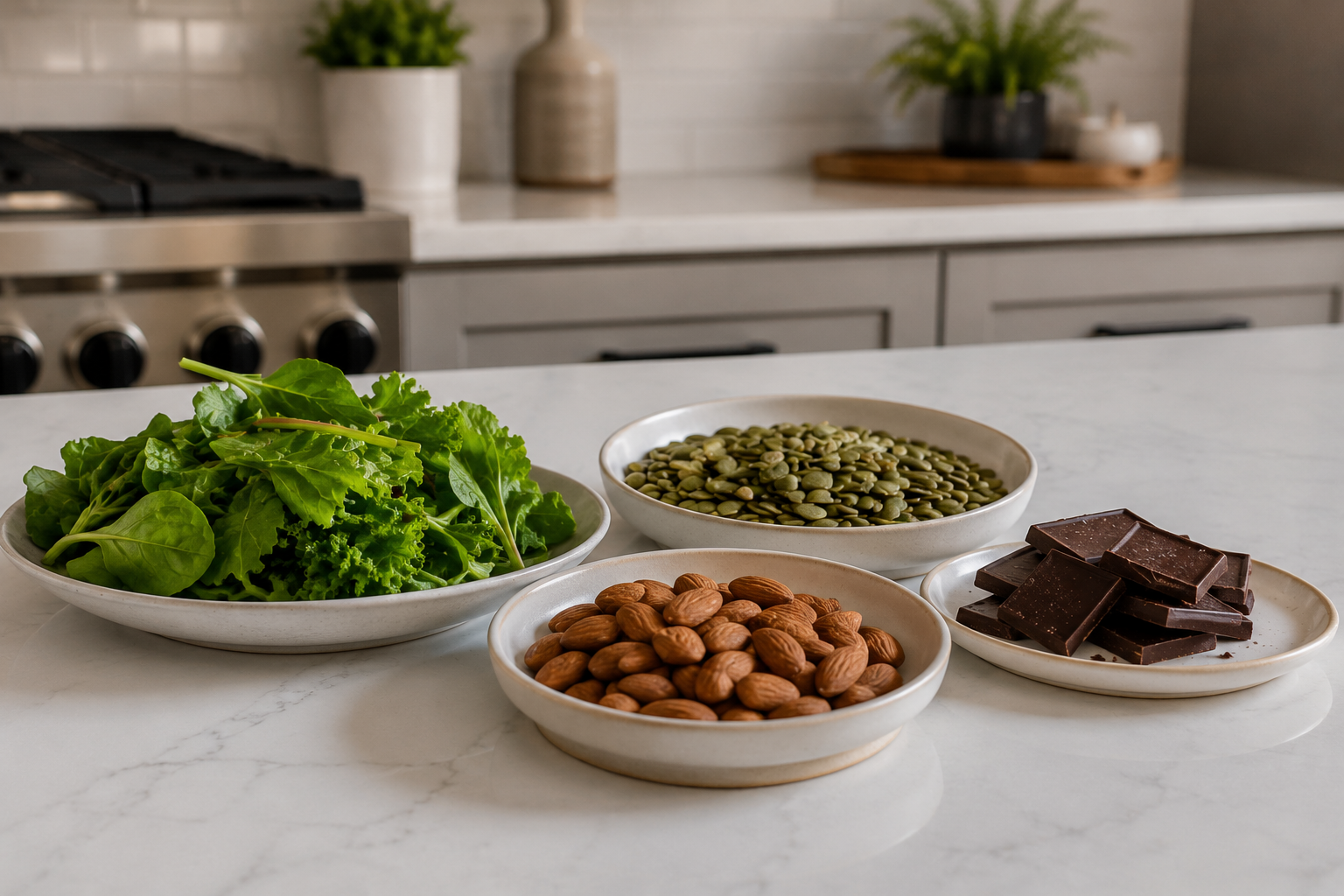
Omega-3 fatty acids work on the inflammation side of the equation. One study found that 2.5 grams of omega-3s daily over four months produced a 19% decrease in cortisol levels and reduced inflammatory markers. Fatty fish, walnuts, chia seeds, and flaxseed are the accessible sources. Complex carbohydrates also matter because they support steady blood sugar, and blood sugar volatility directly affects mood stability and stress tolerance.
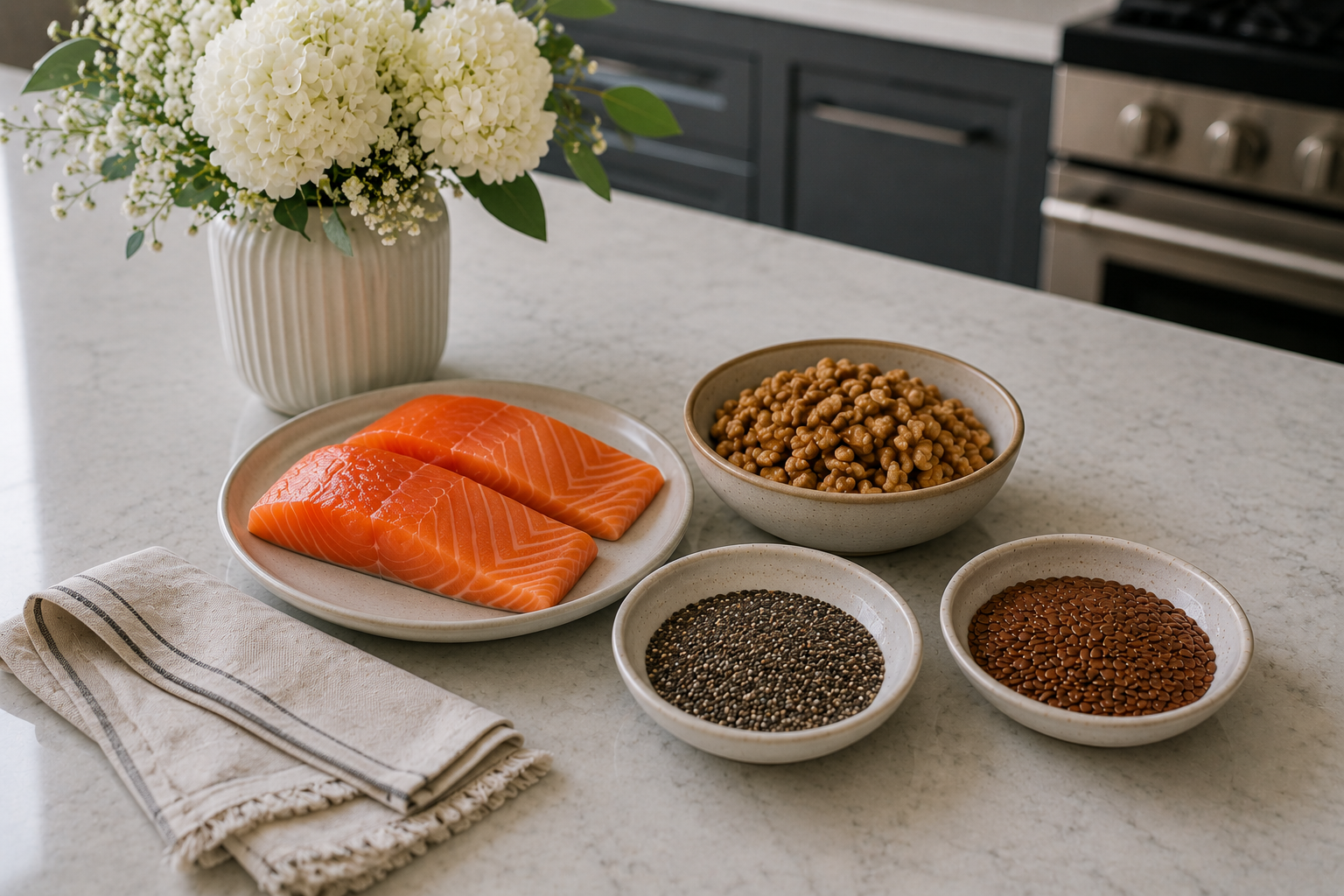
None of this requires a complete dietary overhaul. One or two changes, practiced consistently over weeks, compound in their effect. Start with the addition before worrying about the subtraction. For readers curious about herbal and supplemental supports, see How Adaptogens Help Reduce Stress and Increase Energy Naturally, Zanteh.
How to Build a Weekly Stress Routine You’ll Actually Stick With
Knowing the techniques is not the same as using them. A routine removes the decision overhead so you don’t have to think about which practice to reach for. A daily investment of 20 to 25 minutes covers the range most research supports for meaningful long-term results, though even 10 minutes delivers benefit on high-pressure days.
A simple structure works well across most schedules:
- Morning (5 minutes): box breathing followed by reviewing your top three priorities for the day. This replaces an open-ended to-do list with a clear focus and starts your nervous system in a calmer state.
- Midday (10 minutes): a brisk walk or desk stretches. This interrupts stress accumulation before it peaks in the afternoon.
- Evening (5 to 10 minutes): progressive muscle relaxation or a short mindfulness session. Cut screens 30 minutes before sleep.
On days when 20 minutes isn’t realistic, micro-practices prevent stress from building unchecked. Two minutes of slow exhale breathing during a transition between tasks. Three minutes of grounding after a difficult call. One mindful meal, eaten without screens, at a slower pace. These are not substitutes for a full routine, but they close the gap on high-pressure days.
The goal is not perfection. Missing one day changes nothing. Abandoning the habit entirely does. Pick two stress coping skills from this article, practice them for two weeks, then build from there. Small and consistent beats ambitious and inconsistent every time.
When Self-Management Isn’t Enough
These techniques work, but they work within a certain range of stress. When stress has moved into clinical territory, the techniques above become support tools rather than primary interventions. Watch for stress that disrupts sleep for more than two consecutive weeks, consistently affects work performance, or produces persistent physical symptoms like headaches, chest tightness, or digestive issues. These are signals for professional evaluation, not just more breathing exercises.
Anxiety that does not respond to regular relaxation exercises is also a sign worth taking seriously. Seeking support is not a failure of the techniques above. It means recognizing that the right tool for the actual problem is a trained professional, not another self-help strategy.

Zanteh Health and Wellness Directory helps you find verified wellness professionals, including nutritionists, mental health practitioners, alternative medicine providers, and more professionals that help you live healthier. You can also explore Transform Your Daily Life: The Powerful Impact of Mental Health, Zanteh for more on why wellness and professional support matter.
The Short Version
These stress management techniques give you both immediate relief and long-term resilience. Box breathing and grounding work in under five minutes. Regular movement, mindfulness practice, and nutritional adjustments build the foundation over weeks and months. A consistent daily routine, morning breathwork, midday movement, evening wind-down, covers both needs without requiring a major lifestyle change.
You don’t need to implement all of this at once. Choose two techniques, try them for two weeks, and notice what shifts. Then add a third. That’s how habits form: through repeated, low-friction exposure over time, not through one perfect week followed by abandonment.
If you want a clear starting point, Stress Level Self-Check Calculator, Zanteh and the directory give you both a baseline and a path forward. The information is here. The next step is yours.
Frequently Asked Questions
What is the fastest way to reduce stress in the moment?
Slow breathing, box breathing, and the 5-4-3-2-1 grounding exercise can help calm the body within a few minutes. These techniques can be especially useful before a difficult conversation or after a stressful interaction.
How do you practice box breathing for stress?
Inhale through your nose for four counts, hold for four, exhale for four, and hold again for four. Repeat the sequence three or four times, using shorter counts if four seconds feels uncomfortable.
When should I seek professional help for stress?
Consider speaking with a qualified professional when stress disrupts your sleep for more than two weeks, consistently affects your work or daily life, or causes persistent symptoms such as headaches or digestive problems. Seek urgent medical care for severe or sudden chest symptoms.

