


Why More People Are Prioritizing Mental Wellbeing in 2026
Something has shifted. And if you pay attention, you can feel it in the conversations you are having, the choices people around you are making, and the way the wellness landscape across South Florida has been changing over the past couple of years.
Mental wellbeing is not a niche topic anymore. It is not the thing you only talk about when something goes wrong. It is becoming a genuine daily priority for a growing number of people, and the reasons behind that shift are more interesting and more hopeful than most people realize.
This post is about understanding that shift. Why it is happening now. What it looks like in real life, particularly here in South Florida where the wellness culture has been building in remarkable ways. And what it might mean for how you think about your own wellbeing going forward.
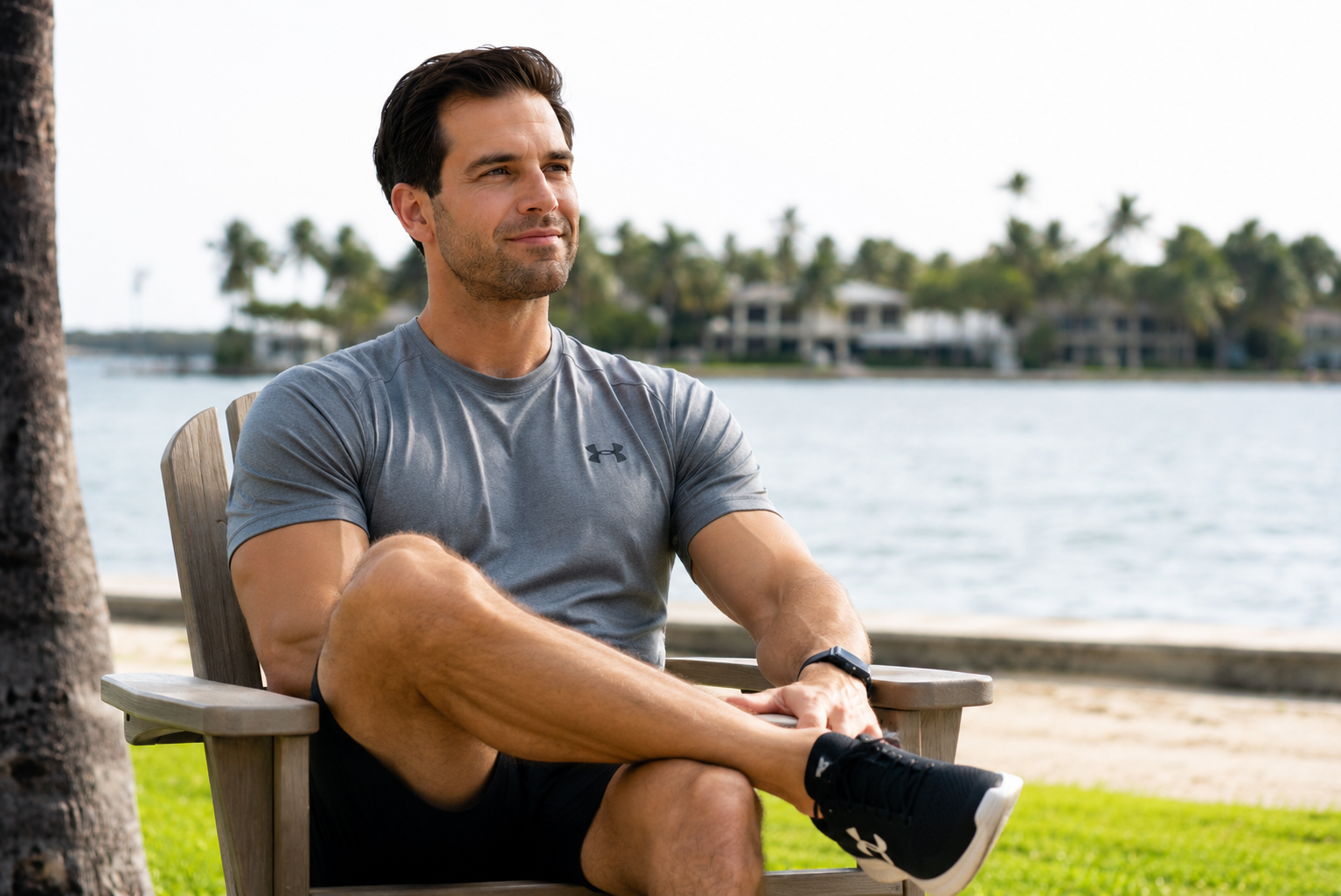
The Numbers Tell a Clear Story
Start with what the data actually shows, because the scale of this shift is worth understanding.
The American Psychological Association has reported consistently that awareness of mental health and willingness to seek support have both increased significantly since 2020. More people are talking openly about their emotional health, more people are taking active steps to support it, and perhaps most significantly, more people are treating mental wellbeing as something you invest in proactively rather than something you address only when it breaks down.
The World Health Organization has noted that mental health conditions affect more than one in eight people globally and that the demand for mental health services has been growing faster than the capacity to provide them. At the same time, a parallel movement has been growing around preventive mental wellness, the idea that you do not wait for a crisis before investing in your emotional health, just as most people do not wait for a heart attack before thinking about their physical fitness.
That preventive mindset is exactly what is driving the shift we are seeing in 2026. And South Florida, with its vibrant wellness community and its culture of investing in quality of life, is one of the places where that shift is most visible.
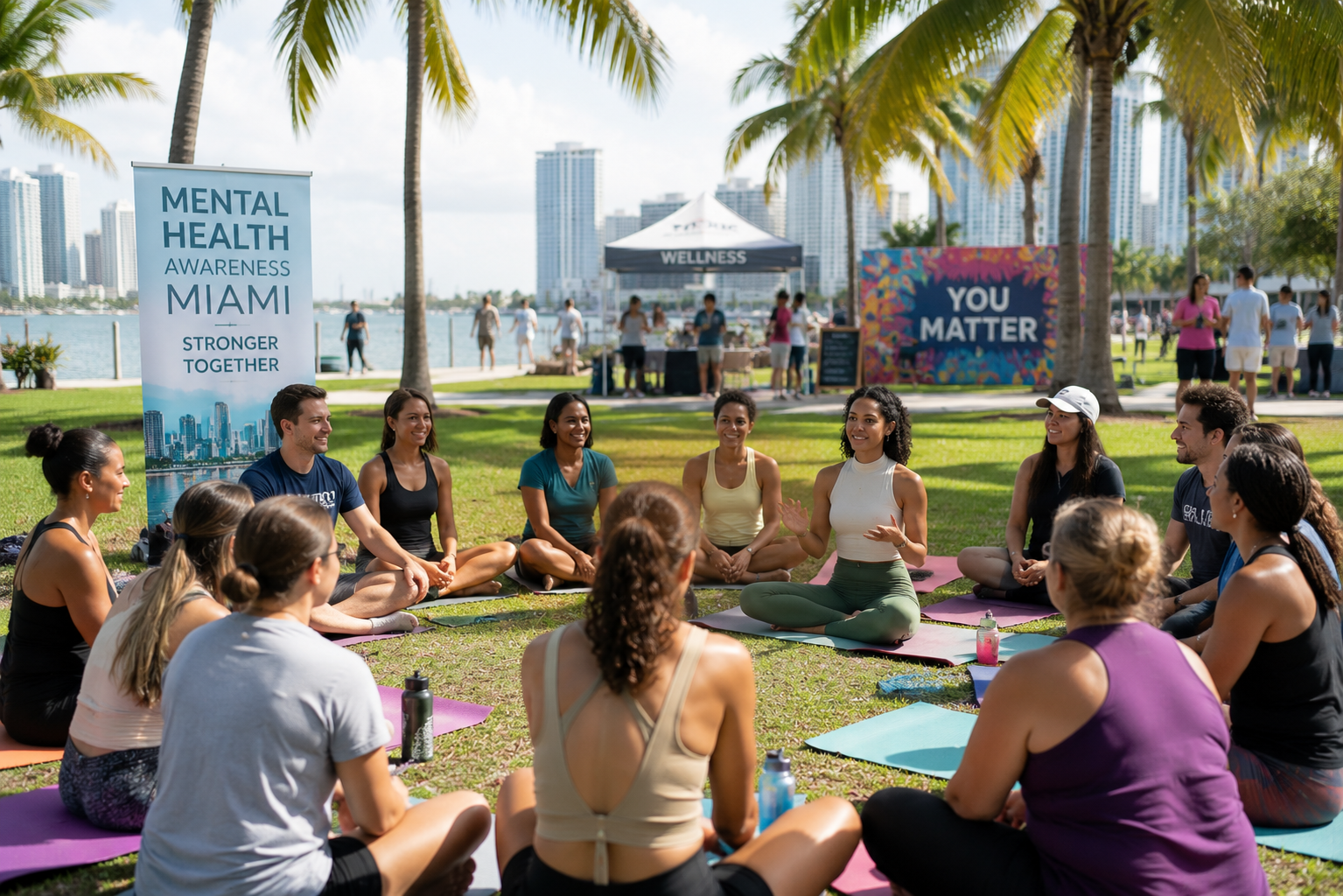
What Actually Changed and Why 2026 Feels Different
Mental health has been a growing conversation for years. So what makes 2026 feel different from five years ago?
A few things have genuinely shifted.
The stigma has meaningfully reduced. This is probably the most important change. A generation ago, talking openly about your mental health was still something many people avoided, particularly in professional environments or communities where strength was equated with not needing support. That has changed in ways that are real and measurable. Public conversations led by athletes, executives, artists, and everyday people who have chosen to speak openly have normalized mental health in a way that makes it much easier for others to acknowledge their own needs.
The pandemic created a before and after moment. The global experience of 2020 forced an enormous number of people to confront their mental and emotional health in ways they had previously been able to avoid. The isolation, the uncertainty, the grief, and the disruption of routines that most people had never consciously examined until they were gone. What emerged for many people was a clearer understanding of what they actually needed to feel well. And that clarity has not faded. It has shaped how people make decisions in 2026 in ways that are still playing out.
The science has become more accessible. Research on the brain, on stress, on the neurological underpinnings of emotional experience, has become genuinely interesting to a much broader audience than it used to reach. Podcasts, books, and platforms that translate neuroscience into practical everyday guidance have created a generation of people who understand their own nervous systems much better than any previous generation did. That understanding makes people more motivated to invest in their mental health because they can see the direct connection between their daily choices and how their brain and body actually feel.
Burnout became impossible to ignore. The combination of always-on professional culture, social media, economic uncertainty, and the particular pressures of modern life created a burnout epidemic that crossed every demographic and every industry. When burnout stops being the exception and becomes something almost everyone has experienced or knows someone who has experienced, it forces a cultural reckoning. People start asking different questions. Not just how do I get through this week but what do I actually need to sustain a good life over time.
What Mental Wellbeing Actually Means in Daily Life
Here is something worth saying clearly because it gets lost in a lot of wellness conversation. Mental wellbeing is not the absence of hard feelings. It is not a permanent state of calm or happiness. It is not something you achieve and then have.
Mental wellbeing is more like a practice. It is about having enough internal resources, enough resilience, enough self-awareness, and enough support that when hard things happen, which they will, you can move through them without being completely derailed.
Researchers including Dr. Martin Seligman at the University of Pennsylvania, whose work on positive psychology has been influential in reshaping how we think about emotional health, describe wellbeing in terms of five elements. Positive emotions, engagement with life and work, meaningful relationships, a sense of purpose, and accomplishment. None of those require a perfect life. All of them are things that can be actively cultivated through daily choices and practices.
In South Florida, this looks like a lot of different things depending on the person. Someone in Brickell who protects their Sunday morning for a run along the bay and genuinely disconnects from their phone. Someone in Coral Gables who has built a weekly yoga practice that has become non-negotiable in their schedule. Someone in Fort Lauderdale who has finally started seeing a therapist and is surprised by how much it has changed how they experience their week. Someone in Palm Beach who has learned to recognize the difference between being tired and being depleted and who responds to each differently.
None of these look dramatic from the outside. That is kind of the point.
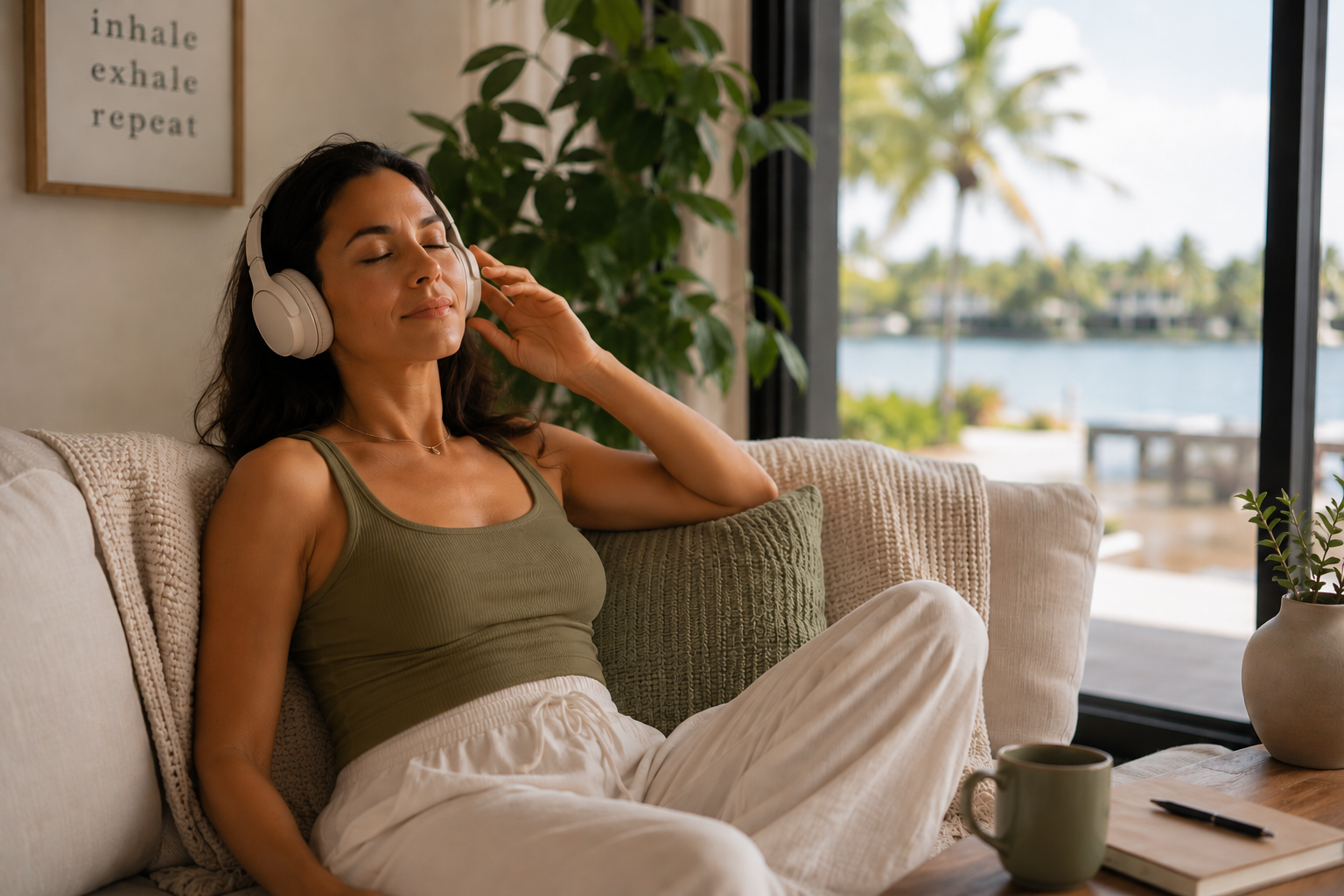
Why This Matters Especially in South Florida
South Florida has always had a complicated relationship with the idea of slowing down. It is a place that attracts ambitious, energetic people who want a lot from their lives. The professional culture in Miami, the social expectations across the region, the constant sense that something interesting is always happening somewhere in the city. All of that creates an environment where prioritizing mental wellbeing can feel like going against the current.
And yet the wellness community that has been building here is doing exactly that. We wrote about this in detail in our piece on why south florida has quietly become one of americas greatest wellness destinations. What is happening here is not a rejection of ambition or energy. It is a more sophisticated understanding of what actually sustains them.
The most switched-on, high-performing people in this region are increasingly the ones who are most intentional about their mental wellbeing. Not despite their ambition but because of it. They have figured out that the energy, focus, creativity, and emotional resilience that make them effective in their work and present in their relationships require real and consistent investment. And they have stopped treating that investment as an indulgence.
This connects directly to what we covered in our post on mental exhaustion and what actually helps your brain recover. The people who are performing best over the long arc are the ones who take recovery as seriously as output. That is not a wellness trend. That is a performance strategy.
What People Are Actually Doing Differently
Here is what the shift toward mental wellbeing looks like in practice across South Florida right now. The everyday choices that are accumulating into something real.
They are protecting their time more deliberately. Not every social invitation gets a yes anymore. Not every demand on their attention gets immediate access. People are becoming more intentional about where their energy goes because they have learned, often through experience, that running on empty is not sustainable and is not impressive. It is just expensive.
They are building physical practices that serve their mental health. Movement, sleep, and hydration are increasingly understood not just as physical health strategies but as mental health tools. The research connecting regular movement to mood, cognitive function, and emotional resilience is now mainstream enough that most people have heard it. And more people are actually acting on it. The yoga studios filling up across Miami, the running groups forming along the waterfront in Fort Lauderdale, the paddleboard communities on Biscayne Bay all reflect a population that has made this connection personally.
They are taking professional support more seriously. Therapy, coaching, and other forms of structured mental health support have become significantly less stigmatized and significantly more accessible. The combination of telehealth options and a broader cultural acceptance of seeking support means that more people are getting help sooner rather than waiting until things have become genuinely difficult.
They are spending more time in natural environments. South Florida’s extraordinary access to nature, the ocean, the Everglades, the waterways, the parks, the year-round outdoor environment, is increasingly being used deliberately as a mental wellness tool rather than just incidentally as a backdrop to life. Research consistently shows that time in natural settings reduces cortisol, restores attention, and supports emotional regulation. People are choosing to walk by the water before they pick up their phone in the morning. That is a small choice that adds up significantly over time.
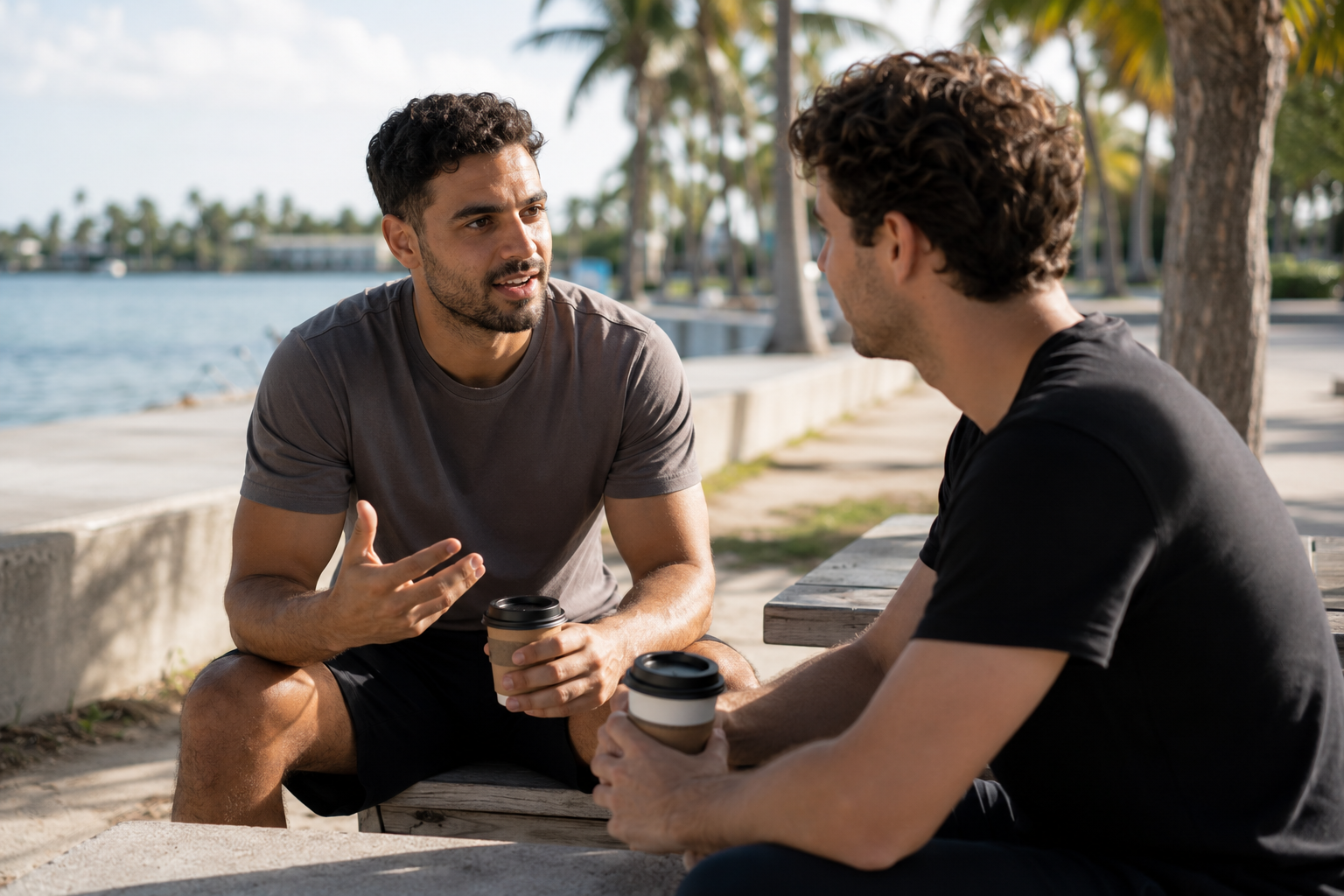
They are talking about it. This might be the most meaningful change of all. The conversations that were previously private or absent are now happening in coffee shops in Brickell, on walks along Las Olas, and in group chats between friends who a few years ago would not have known how to start this kind of conversation. That cultural permission to talk about how you are actually doing is one of the most protective factors for mental wellbeing that research has consistently identified.
The South Florida Wellness Community Is Responding
One of the most encouraging aspects of this shift is how the wellness community across the region has been building in response to it.
Breathwork studios, sound healing spaces, and meditation centers have opened across Miami, Fort Lauderdale, and the Palm Beaches. Yoga studios have expanded their restorative and yin offerings alongside their more physically demanding classes. Wellness practitioners specializing in the intersection of mental and physical health are increasingly part of the landscape.
Events like the full moon gatherings we covered in our recent wellness events guide for Miami are not primarily fitness events. They are community experiences designed around emotional connection, nervous system regulation, and the kind of shared human experience that research consistently shows is one of the most protective factors for mental wellbeing. The fact that these events are drawing strong attendance in Miami says something real about what people here are looking for right now.
Zanteh Directory has been building its listings to reflect this. You can explore mental wellness providers across South Florida including practitioners who work specifically at the intersection of emotional health and physical wellbeing. Finding the right support for where you are right now is a lot easier when you have a trusted local resource to start from.
Where to Start If You Want to Take This More Seriously
If something in this post has resonated and you are thinking about investing more deliberately in your mental wellbeing, here is the honest practical advice.
Start with one thing. Not a complete overhaul of your life and not a long list of new habits. Just one thing that you currently know would help and that you have been putting off. A consistent sleep time. A weekly walk outside without your phone. A conversation with someone you have been meaning to be more honest with. One therapy session to see if it might be useful.
The research on habit formation is clear that small consistent changes compound into significant ones over time. We covered this in detail in our beginners guide to wellness in South Florida which is worth reading if you want a warm and practical framework for getting started without feeling overwhelmed.
And if you are already doing a lot of the right things but still not feeling as well as you think you should, it might be worth looking at the specific South Florida factors we have covered in our posts on stress and cortisol. The combination of pace, heat, social expectations, and chronic low-grade pressure here creates a particular kind of depletion that requires specific responses.
Our posts on stress cortisol and the quiet toll of a full life in South Florida and why your brain feels mentally exhausted and what to do about it go into the practical detail of what that looks like and what actually helps.
This Shift Is Worth Paying Attention To
What is happening around mental wellbeing in 2026 is not a trend. It is a genuine cultural evolution with what it actually means to live well over time. And South Florida, with its energy, its beauty, its vibrant wellness community, and its particular understanding of what quality of life can look like, is one of the best places in the country to be having this conversation.
You are already in the right place. The resources, the community, and the culture are here. The only thing that matters now is what you decide to do with them. Explore what South Florida’s wellness community has built at Zanteh Directory and find the support that fits where you are right now.
Find Mental Wellness Support Across South Florida
From wellness centers and breathwork studios to holistic health practitioners and integrative therapists, Zanteh Directory connects you with the best mental wellness resources across Miami, Fort Lauderdale, Palm Beach, and all of South Florida. Start exploring near you.
Frequently Asked Questions
Why are so many people prioritizing mental wellbeing in 2026?
Several factors have converged to make mental wellbeing a top priority for more people in 2026 than ever before. The global experience of 2020 forced a mass awakening around emotional health that many people had previously been able to avoid. The stigma around mental health has meaningfully reduced thanks to more open public conversations. Burnout became impossible to ignore across almost every professional sector. And better access to research on neuroscience and mental health has helped people understand the direct connection between their daily choices and how their brain and body actually feel. The result is a genuine cultural shift toward treating mental wellbeing as something you invest in proactively rather than address only in a crisis.
What does mental wellbeing actually mean in everyday life?
Mental wellbeing is not a permanent state of happiness or the absence of difficult emotions. It is more accurately described as a practice of maintaining enough internal resources, resilience, self-awareness, and support that when hard things happen you can move through them without being completely derailed. Research by psychologists including Dr. Martin Seligman describes wellbeing in terms of positive emotions, meaningful engagement, strong relationships, a sense of purpose, and a sense of accomplishment. None of these require a perfect life. All of them can be actively cultivated through daily choices that most people are capable of making right now.
How does living in South Florida specifically affect mental wellbeing?
South Florida presents a particular set of factors that can both support and challenge mental wellbeing. On the supportive side, the year-round outdoor environment, access to nature and water, a vibrant community culture, and a wellness ecosystem that has been growing significantly all create genuinely favorable conditions for mental health. On the challenging side, the pace of professional life, the high social expectations, the heat that adds physiological stress, and the always-on energy of the region can create chronic low-grade pressure that accumulates in ways that are easy to miss until they have built significantly. Being intentional about mental wellbeing matters more here than it might in a slower, quieter environment.
What are the most effective things I can do for my mental wellbeing right now?
The practices with the strongest research support for mental wellbeing are also some of the most accessible. Consistent quality sleep is the foundation that everything else builds on. Regular movement you actually enjoy has been shown to reduce anxiety, improve mood, and support cognitive function as effectively as some interventions used clinically. Time in natural environments measurably reduces cortisol and restores attention. Strong social connections and honest conversations with people you trust are among the most consistently identified protective factors for mental health. And building even one reflective practice into your day, whether that is journaling, meditation, breathwork, or simply sitting quietly without input for a few minutes, creates the kind of internal space that mental wellbeing requires.
Where can I find mental wellness resources in South Florida?
Zanteh Directory is your local guide to mental wellness resources across Miami, Fort Lauderdale, Palm Beach, and all of South Florida. The directory includes wellness centers and integrative health providers who work specifically at the intersection of mental and physical wellbeing. Visit zantehdirectory.com to explore what is available in your area. If you are looking for clinical mental health support such as therapists or psychiatrists, your primary care physician can also provide referrals to licensed professionals in your area.

